
Human Growth Hormone, commonly referred to as HGH or somatropin, is one of the most widely recognized performance-enhancing substances associated with anti-aging medicine, recovery optimization, and professional athletics. Unlike anabolic steroids, HGH is a peptide hormone naturally produced by the pituitary gland and plays a critical role in growth, cellular repair, metabolism, and tissue regeneration throughout the body.
Although HGH is frequently grouped alongside anabolic steroids within bodybuilding culture, it functions very differently at the physiological level. Rather than directly binding to androgen receptors like testosterone or other anabolic steroids, growth hormone primarily influences tissue growth and metabolic activity through complex endocrine signaling pathways involving insulin-like growth factor 1 (IGF-1).
Originally developed for legitimate medical treatment involving growth disorders and hormone deficiencies, HGH later became increasingly associated with elite athletics, bodybuilding, anti-aging clinics, and modern biohacking culture. Over time, it developed a reputation for supporting recovery, body composition changes, connective tissue repair, and long-term physique enhancement rather than rapid short-term muscle gain alone.
Because of its unique medical legitimacy and broad physiological influence, HGH occupies a distinctive position within performance-enhancement culture. It is viewed not simply as another muscle-building drug, but as a hormone deeply connected to aging, recovery, regeneration, and long-term physical optimization.
Understanding HGH requires viewing it through both the lens of endocrinology and the broader evolution of modern performance-enhancement and anti-aging medicine.
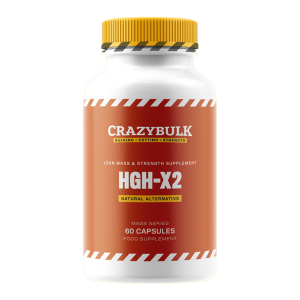
Improve recovery, sleep quality, and fat metabolism through natural pathways. HGH-X2 is designed to deliver consistent progress.
Table of Contents
- Chemical Structure and Mechanism of Action
- History and Development
- Original Medical Uses
- Effects on the Body
- Why HGH Became Popular in Bodybuilding and Athletics
- Pop Culture and Broader Recognition
- Legal Status by Country
- Risks and Side Effects
- Modern Context and Relevance
- Final Thoughts
- FAQs
Chemical Structure and Mechanism of Action
Human Growth Hormone is a naturally occurring peptide hormone produced primarily by the anterior pituitary gland.
Unlike anabolic steroids, which are androgenic hormones derived from cholesterol, HGH is composed of amino acid chains and functions through entirely different biological pathways. Its release is regulated by multiple hormonal systems involving growth hormone-releasing hormone (GHRH), somatostatin, sleep cycles, nutrition, stress, and metabolic activity.
Once released into the bloodstream, HGH stimulates the liver and other tissues to produce insulin-like growth factor 1 (IGF-1), one of the primary mediators of growth hormone’s anabolic and regenerative effects.
Together, HGH and IGF-1 influence a wide range of physiological functions involving:
- Cellular repair
- Tissue regeneration
- Protein synthesis
- Fat metabolism
- Bone growth
- Muscle recovery
- Connective tissue health
Unlike anabolic steroids that exert direct androgenic effects, HGH is more closely associated with recovery, tissue repair, and gradual body composition changes over time.
One of HGH’s most distinctive characteristics is its influence on connective tissue and collagen synthesis. This contributed heavily to its reputation within bodybuilding, athletics, and anti-aging medicine as a compound associated not only with muscular development, but also with recovery and structural resilience.
Because HGH operates through endocrine growth pathways rather than androgen receptors, its effects differ substantially from traditional anabolic steroids despite often being discussed alongside them.
History and Development
The scientific understanding of growth hormone accelerated during the mid-20th century as endocrinology and hormone research expanded rapidly.
Early forms of HGH therapy relied on hormone extraction from human cadaver pituitary glands, a process that was both limited and controversial. During the 1980s, however, recombinant DNA technology transformed HGH production by allowing pharmaceutical companies to manufacture synthetic human growth hormone in laboratory environments.
This breakthrough dramatically expanded medical access to HGH and helped establish somatropin as one of the most important hormone therapies in modern endocrinology.
Initially, HGH was prescribed primarily for children with growth hormone deficiency and severe growth disorders. Over time, its medical applications expanded into adult hormone deficiencies, muscle-wasting conditions, and recovery-related treatments.
As bodybuilding and athletic performance culture evolved throughout the 1980s and 1990s, HGH also became increasingly associated with elite sports and physique enhancement. Unlike anabolic steroids, which were often linked to rapid muscle growth and strength increases, HGH developed a reputation for recovery enhancement, body composition management, and long-term physical refinement.
Its reputation expanded even further during the rise of anti-aging clinics and hormone optimisation medicine throughout the 2000s and 2010s. HGH eventually became one of the defining substances associated with longevity culture, biohacking, and modern performance optimization discussions.
Original Medical Uses
HGH was originally developed for legitimate endocrine and growth-related medical treatment.
Historically, growth hormone therapy was prescribed for conditions involving:
- Growth hormone deficiency
- Pediatric growth disorders
- Turner syndrome
- Muscle-wasting diseases
- Severe recovery-related tissue loss
- HIV-associated wasting conditions
- Adult growth hormone deficiency
Because growth hormone plays such a central role in tissue development and repair, HGH therapy became highly important within endocrinology and pediatric medicine.
Unlike many anabolic steroids later associated primarily with bodybuilding culture, HGH maintained broad legitimacy within mainstream medicine due to its essential role in normal human growth and development.
Its therapeutic relevance continues today across multiple areas of endocrine treatment and hormone replacement medicine.
Effects on the Body
HGH influences a wide range of physiological systems involving recovery, metabolism, growth, and tissue repair.
Its effects contribute to:
- Increased protein synthesis
- Enhanced recovery capacity
- Fat metabolism support
- Connective tissue repair
- Collagen production
- Increased IGF-1 activity
- Cellular regeneration processes
Unlike highly androgenic anabolic steroids, HGH does not directly produce masculinizing androgenic effects. Instead, its influence is more closely associated with recovery, structural repair, and gradual changes in body composition.
Within bodybuilding culture, HGH became associated with:
- fuller muscular appearance
- recovery enhancement
- reduced body fat
- connective tissue support
- long-term physique development
Its effects are generally considered slower and more cumulative than traditional anabolic steroids. This contributed to its reputation as a long-term optimization compound rather than a rapid transformation agent.
At the same time, HGH also became associated with broader anti-aging discussions involving skin quality, recovery capacity, energy levels, and overall physiological resilience.
Why HGH Became Popular in Bodybuilding and Athletics
Within bodybuilding and athletic culture, HGH became increasingly popular because of its reputation for recovery enhancement and long-term physique optimization.
As competitive bodybuilding standards evolved throughout the 1990s and 2000s, athletes increasingly explored compounds capable of supporting not only muscular growth, but also recovery, tissue repair, and training longevity.
Unlike anabolic steroids associated primarily with direct muscle-building effects, HGH developed a reputation for complementing broader performance-enhancement strategies involving recovery and structural support.
Bodybuilders became particularly interested in HGH because it was associated with:
- improved recovery capacity
- enhanced training frequency
- connective tissue support
- body composition improvements
- long-term muscular development
Its role within professional bodybuilding expanded significantly during the 1990s, where it became linked to the era of increasingly massive physiques and advanced enhancement protocols.
Outside bodybuilding, HGH also became popular among athletes involved in recovery-intensive sports due to its association with tissue repair and rehabilitation support. It is also often prescribed by wellness and TRT clinics in aging men concerned with health optimization.
Pop Culture and Broader Recognition
Few performance-enhancing substances became as strongly associated with anti-aging culture and modern optimization discussions as HGH.
During the late 1990s and early 2000s, growth hormone became widely discussed in:
- anti-aging medicine
- celebrity wellness culture
- professional sports
- biohacking communities
- hormone optimisation clinics
Its reputation evolved beyond bodybuilding alone and became connected to broader ideas involving youthfulness, vitality, recovery, and longevity.
At the same time, HGH also became heavily associated with professional sports controversies and anti-doping investigations due to its performance-enhancing potential and difficulty of detection during earlier periods of testing.
Unlike many anabolic steroids tied primarily to bodybuilding culture, HGH eventually became recognized within mainstream public discourse surrounding aging and performance optimization itself.
Legal Status by Country
Human Growth Hormone is heavily regulated internationally despite its legitimate medical importance.
United States
In the United States, HGH is legal only through prescription for approved medical conditions involving hormone deficiency and related disorders.
Distribution or use outside approved medical contexts may violate federal law.
United Kingdom
In the United Kingdom, HGH is available through prescription-based medical treatment but remains tightly regulated outside authorized therapeutic use.
Canada
Canada regulates HGH through prescription-only medical frameworks involving hormone replacement and endocrine therapy.
Australia
Australia maintains strict controls involving HGH possession, importation, and distribution outside authorised medical treatment.
Across most countries, HGH remains tightly regulated due to its performance-enhancing potential and endocrine significance.
Risks and Side Effects
Although HGH is a naturally occurring hormone, external growth hormone administration can still produce substantial physiological effects and health risks.
Potential concerns associated with HGH exposure include:
- Insulin resistance
- Water retention
- Joint discomfort
- Nerve compression issues
- Cardiovascular strain
- Endocrine disruption
- Soft tissue overgrowth
Excessive long-term growth hormone exposure may also contribute to abnormal tissue growth and metabolic complications.
Because HGH operates through complex endocrine signaling systems involving IGF-1 and metabolic regulation, long-term systemic effects remain an important consideration.
As with all hormone therapies and performance-enhancing substances, medical supervision and long-term health monitoring are important factors in managing endocrine-related risks.
Modern Context and Relevance
Today, HGH occupies a unique position within medicine, anti-aging culture, sports performance, and hormone optimisation discussions.
Its role in legitimate endocrinology and hormone replacement medicine remains highly important, particularly for individuals with medically diagnosed growth hormone deficiencies and recovery-related disorders.
At the same time, HGH continues to attract major interest within bodybuilding, biohacking, longevity culture, and advanced performance-enhancement environments.
Its reputation for recovery support, connective tissue repair, and gradual physique optimization has remained remarkably consistent throughout decades of discussion.
As interest in longevity, regenerative medicine, and hormone optimization continues expanding, HGH remains one of the most influential and widely discussed peptide hormones in modern health and performance culture.
Final Thoughts
Human Growth Hormone remains one of the most medically significant and culturally influential performance-enhancing substances in modern endocrinology and athletics.
Originally developed for legitimate treatment involving growth disorders and hormone deficiencies, HGH later became deeply associated with bodybuilding, anti-aging medicine, recovery optimization, and modern biohacking culture.
Its influence on tissue repair, recovery, metabolism, and long-term physical development helped establish HGH as one of the defining substances connected to regeneration and performance optimisation rather than simple muscle-building alone.
At the same time, HGH remains a powerful endocrine hormone capable of producing substantial physiological effects involving metabolism, cardiovascular health, connective tissue, and systemic hormonal regulation.
Understanding HGH requires viewing it not simply as another performance-enhancing drug, but as one of the most important hormones involved in human growth, recovery, and biological development itself.
FAQs
HGH, or Human Growth Hormone, is a peptide hormone produced by the pituitary gland that regulates growth, recovery, metabolism, and tissue repair.
No. HGH is a peptide hormone, not an anabolic steroid, although it is often discussed alongside steroids in bodybuilding culture.
HGH influences growth, recovery, protein synthesis, fat metabolism, connective tissue repair, and IGF-1 production.
Its reputation for recovery enhancement, body composition improvement, and connective tissue support contributed to its popularity in advanced bodybuilding environments.
HGH is legal only through prescription for approved medical conditions involving hormone deficiency and related disorders.
HGH may support muscular development indirectly through recovery, protein synthesis, and IGF-1 activity, although its mechanisms differ from anabolic steroids.