
Anavar, the brand name for oxandrolone, is one of the most recognised anabolic steroids due to its long-standing medical use and its reputation for producing relatively controlled anabolic effects compared to many other compounds. Originally developed during the early 1960s, Anavar was designed to help patients recover from severe weight loss, trauma, surgery, and muscle-wasting conditions where preserving lean tissue was medically important.
Unlike anabolic steroids associated with rapid increases in body mass and significant fluid retention, Anavar became known for its connection to lean muscle preservation and lower androgenic activity. Because it is derived from dihydrotestosterone (DHT) and does not aromatise into estrogen, it developed a reputation for producing more controlled changes in body composition without the pronounced water retention commonly linked to testosterone-derived compounds.
Over time, Anavar became widely discussed within bodybuilding and physique-focused communities due to its association with muscle retention, recovery, and conditioning phases. Its comparatively mild androgenic profile also contributed to broader interest among individuals looking for anabolic compounds perceived as more manageable than highly aggressive steroids such as Trenbolone or Anadrol.
Despite this reputation, Anavar remains a true anabolic steroid with significant physiological effects involving hormone regulation, cholesterol balance, liver metabolism, and overall recovery processes. Understanding Anavar requires examining both its medical origins and the biochemical properties that distinguish it from many other anabolic compounds.
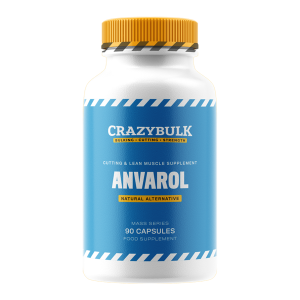
Improve definition and maintain performance during a calorie deficit. Anvarol is built for cutting phases without the usual trade-offs.
Table of Contents
- Chemical Structure and Mechanism of Action
- History and Development
- Original Medical Uses
- Effects on the Body
- Why Anavar Became Popular in Bodybuilding
- Pop Culture and Broader Recognition
- Legal Status by Country
- Risks and Side Effects
- Modern Context and Relevance
- Final Thoughts
- FAQs
Chemical Structure and Mechanism of Action
Oxandrolone is a synthetic anabolic steroid derived from dihydrotestosterone (DHT), structurally modified to enhance anabolic activity while reducing androgenic effects.
Like many oral anabolic steroids, Anavar is 17-alpha alkylated. This chemical modification allows the compound to remain active after oral administration by surviving first-pass liver metabolism. While this improves oral bioavailability, it also increases potential liver strain compared to many injectable anabolic steroids.
At a physiological level, Anavar works by binding to androgen receptors within muscle tissue, increasing protein synthesis and nitrogen retention. These mechanisms support tissue repair, recovery, and the preservation of lean muscle mass during periods of physical stress or calorie restriction.
One of Anavar’s defining characteristics is that it does not convert into estrogen through aromatisation. This contributes to its association with reduced water retention and a more controlled effect on overall body composition compared to compounds such as Dianabol or testosterone.
Oxandrolone has also been studied for its effects on phosphocreatine synthesis and intracellular energy metabolism. These processes may contribute to improved muscular endurance, recovery efficiency, and ATP regeneration under physically demanding conditions.
Compared to many anabolic steroids, Anavar exhibits a relatively low androgenic rating while still maintaining meaningful anabolic activity. This biochemical steroid profile played a major role in both its medical applications and its later reputation within physique-focused athletic environments.
History and Development
Anavar was first developed in 1962 by Searle Laboratories, a pharmaceutical company later acquired by Pfizer.
During this period, researchers were actively investigating anabolic compounds capable of supporting tissue growth and recovery while minimising androgenic side effects. Many earlier anabolic steroids produced substantial androgenic activity, limiting their use in certain patient populations. Oxandrolone was specifically designed to provide anabolic support in a more controlled manner.
The compound was introduced under the brand name Anavar and quickly became associated with medical situations involving involuntary weight loss and tissue deterioration. Because of its comparatively lower androgenic profile, it was considered suitable for a broader range of patients than many anabolic compounds available at the time.
Throughout the 1960s and 1970s, anabolic steroids became increasingly discussed outside medical settings due to their performance-enhancing properties. While compounds such as Dianabol became closely associated with rapid muscle growth and strength-focused bodybuilding culture, Anavar developed a different reputation centered around lean tissue preservation and recovery support.
Its medical legitimacy and comparatively controlled profile contributed to Anavar remaining relevant in therapeutic discussions long after many earlier anabolic steroids declined in clinical use.
Original Medical Uses
Anavar was developed primarily for medical conditions involving muscle loss, severe recovery demands, and catabolic stress.
Historically, oxandrolone was prescribed in situations involving:
- Severe weight loss caused by chronic illness
- Recovery after surgery or physical trauma
- Burn recovery
- Muscle-wasting diseases
- Chronic infections
- Osteoporosis-related support in some contexts
One of Anavar’s most important therapeutic characteristics was its ability to support lean tissue retention without producing the same degree of androgenic effects associated with stronger testosterone-derived compounds.
This contributed to its use across a wider range of patient groups, including situations where maintaining body weight and physical resilience was medically important.
Oxandrolone also became relevant in rehabilitation-focused medicine due to its potential influence on tissue preservation, recovery capacity, and overall metabolic support during periods of physiological stress. For these properties it can occasionally be prescribed by select TRT clinics.
Effects on the Body
Anavar is most commonly associated with lean muscle preservation and controlled anabolic activity rather than dramatic increases in overall body mass.
Its effects on protein synthesis and nitrogen retention support muscle maintenance and recovery, particularly during calorie deficits or physically demanding conditions where muscle breakdown becomes more likely.
Because Anavar does not aromatise into estrogen, it is generally associated with lower levels of fluid retention compared to many testosterone-derived anabolic steroids. This contributes to a more controlled visual effect on body composition and helped establish its reputation in physique-focused athletic environments.
Oxandrolone may also influence phosphocreatine activity and ATP regeneration, processes involved in muscular energy production and repeated-output performance. These mechanisms contributed to Anavar’s association with endurance support and training recovery in both clinical and athletic discussions.
Unlike anabolic steroids strongly associated with rapid weight gain or large fluctuations in fluid balance, Anavar became more closely connected with preserving muscle quality and supporting recovery under controlled conditions.
However, despite often being perceived as comparatively “mild,” Anavar still exerts significant effects on hormone regulation, cholesterol balance, and systemic physiology.
Why Anavar Became Popular in Bodybuilding
Within bodybuilding and physique-focused communities, Anavar became associated with conditioning, muscle retention, and lean body composition.
As bodybuilding evolved beyond purely mass-focused development, compounds producing lower levels of water retention gained increased popularity among individuals pursuing more refined physiques. Anavar’s DHT-derived structure and lack of estrogen conversion contributed heavily to this reputation.
Unlike Anadrol or Dianabol, which became associated with aggressive increases in body size and scale weight, Anavar developed a reputation for supporting muscle preservation without dramatic fluid accumulation.
This also contributed to Anavar becoming widely discussed in female bodybuilding and physique competition environments due to its comparatively lower androgenic activity relative to many other anabolic steroids.
Its reputation within bodybuilding therefore became less about rapid transformation and more about refinement, conditioning, and maintaining lean tissue during calorie restriction or competition preparation.
Pop Culture and Broader Recognition
Anavar occupies a different cultural position compared to anabolic steroids closely associated with iconic bodybuilding eras or major doping scandals.
Rather than becoming tied to one defining historical moment, Anavar gained broader recognition through fitness media, internet bodybuilding forums, and physique-focused communities discussing conditioning and lean muscle preservation.
During the expansion of online fitness culture throughout the late 1990s and early 2000s, Anavar became one of the most frequently discussed anabolic steroids in conversations surrounding “cutting,” body composition, and aesthetic-focused training approaches.
Its reputation evolved around perceived manageability and controlled anabolic effects rather than extreme size or raw strength development.
Legal Status by Country
Like most anabolic steroids, Anavar is heavily regulated in many parts of the world.
United States
In the United States, oxandrolone is classified as a Schedule III controlled substance under the Anabolic Steroid Control Act. It is legal only through prescription for approved medical conditions.
Possession or distribution without prescription is illegal under federal law.
United Kingdom
In the United Kingdom, Anavar falls under Class C controlled substances legislation. Personal possession may not always result in prosecution, but unauthorised distribution and trafficking remain illegal.
Canada
Canada regulates oxandrolone under Schedule IV controlled substances laws, limiting legal access to prescription-only medical use.
Australia
Australia maintains strict anabolic steroid regulations, including significant restrictions on possession and importation without medical authorisation.
Across most European countries and many other regions, Anavar remains available only through controlled prescription systems.
Risks and Side Effects
Although Anavar is often considered less androgenic than many anabolic steroids, it still carries meaningful physiological risks.
Because oxandrolone is 17-alpha alkylated, prolonged exposure may contribute to liver strain and elevated liver enzymes. Like other anabolic steroids, Anavar can also suppress natural testosterone production through effects on the hypothalamic-pituitary-gonadal axis.
Additional concerns associated with oxandrolone include:
- Reduced HDL cholesterol
- Cholesterol imbalance
- Cardiovascular strain
- Hormonal suppression
- Potential androgenic effects in susceptible individuals
Its comparatively mild reputation should not be interpreted as an absence of systemic impact. The degree of side effects depends heavily on duration, exposure, genetics, and overall health status.
As with all anabolic steroids, long-term physiological effects remain an important consideration.
Modern Context and Relevance
Today, Anavar remains one of the most widely recognised anabolic steroids globally due to its combination of medical legitimacy and physique-focused reputation.
Although oxandrolone still has limited therapeutic applications in some clinical settings, most modern discussions surrounding Anavar occur within bodybuilding, online fitness culture, and body composition-focused training environments.
Its reputation as a lean-tissue-focused anabolic compound has remained remarkably consistent for decades. At the same time, growing awareness surrounding cardiovascular health, hormone suppression, and long-term anabolic steroid exposure has shifted broader discussions toward risk management and legally accessible alternatives.
Because of this, Anavar frequently appears in conversations surrounding “legal steroid alternatives” and non-hormonal products marketed toward lean muscle preservation and recovery support.
Final Thoughts
Anavar occupies a unique position among anabolic steroids due to its long-standing medical history, comparatively lower androgenic activity, and strong association with lean muscle preservation rather than extreme mass accumulation.
Originally developed to support recovery and combat muscle wasting, oxandrolone later became closely connected to physique-focused bodybuilding culture due to its controlled anabolic profile and lack of estrogen conversion.
At the same time, Anavar remains a true anabolic steroid with significant physiological effects involving liver metabolism, hormone regulation, cholesterol balance, and cardiovascular health. Understanding its role requires viewing it not simply as a “mild steroid,” but as a medically developed anabolic compound with highly specific biochemical characteristics and historical significance.
FAQs
Anavar was originally prescribed for muscle-wasting conditions, severe weight loss, burn recovery, and rehabilitation-related tissue preservation.
Yes. Oxandrolone is a synthetic anabolic steroid derived from dihydrotestosterone.
Because it does not aromatise into estrogen, Anavar is generally associated with lower levels of water retention than many testosterone-derived steroids.
Its reputation for lean tissue preservation and reduced fluid retention contributed to its popularity in physique-focused and calorie-restricted environments.
Only with a prescription for approved medical conditions. Possession without prescription is illegal under federal law.
It is often described as milder due to lower androgenic activity, but it still carries risks involving liver function, cholesterol balance, hormone suppression, and cardiovascular health.