
Primobolan, chemically known as methenolone, is a dihydrotestosterone-derived anabolic steroid historically associated with lean tissue preservation, gradual muscle development, and comparatively mild anabolic activity. Unlike anabolic steroids known for rapid mass accumulation or dramatic short-term transformation, Primobolan developed a reputation centered around controlled progression, lower estrogenic impact, and long-term physique management.
Originally developed for medical use involving muscle wasting and tissue preservation, methenolone became increasingly recognised within bodybuilding culture due to its association with maintaining lean body composition while minimizing fluid retention. Its relatively mild anabolic profile and resistance to aromatisation contributed heavily to this reputation.
Over time, Primobolan became closely linked to physique-focused bodybuilding environments where visual conditioning, gradual progression, and muscle retention were prioritised over aggressive increases in body size. It also gained broader recognition because of its historical association with classic bodybuilding culture and athletes pursuing aesthetic-focused physiques rather than extreme mass.
Although often described as milder than many anabolic steroids, Primobolan remains a true anabolic-androgenic compound with meaningful physiological effects involving hormone regulation, cardiovascular health, and metabolic function. Understanding methenolone requires examining both its medical origins and the biochemical properties that shaped its later reputation within bodybuilding and performance-enhancement culture.
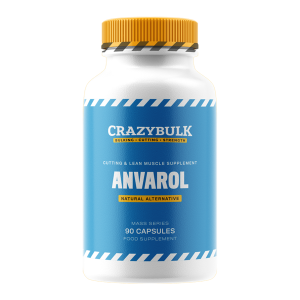
Improve definition and maintain performance during a calorie deficit. Anvarol is built for cutting phases without the usual trade-offs.
Table of Contents
- Chemical Structure and Mechanism of Action
- History and Development
- Original Medical Uses
- Effects on the Body
- Why Primobolan Became Popular in Bodybuilding
- Pop Culture and Broader Recognition
- Legal Status by Country
- Risks and Side Effects
- Modern Context and Relevance
- Final Thoughts
- FAQs
Chemical Structure and Mechanism of Action
Methenolone is a synthetic anabolic steroid derived from dihydrotestosterone (DHT).
Because it is DHT-derived, Primobolan does not aromatise into estrogen. This characteristic significantly influences how the compound affects body composition and contributes to its long-standing association with reduced water retention and leaner physical appearance.
Primobolan exists in two primary forms:
- Methenolone acetate (oral)
- Methenolone enanthate (injectable)
The injectable enanthate version became more widely associated with bodybuilding due to its longer release profile and reduced liver strain compared to oral anabolic steroids.
At the physiological level, methenolone binds to androgen receptors within muscle tissue, contributing to:
- Protein synthesis
- Nitrogen retention
- Lean tissue preservation
- Recovery support
Compared to highly anabolic mass-building compounds such as Dianabol and Superdrol, Primobolan exhibits relatively moderate anabolic activity. However, its lower androgenic intensity and absence of estrogen conversion helped establish its reputation as a more controlled anabolic compound.
Because methenolone does not produce significant estrogen-related fluid retention, its effects on physique appearance are generally associated with gradual lean tissue development rather than rapid increases in scale weight or muscular fullness.
Its comparatively mild anabolic profile also contributed to broader interest among individuals seeking slower, more sustainable progression rather than aggressive short-term transformation.
History and Development
Primobolan was developed during the 1960s by Squibb Pharmaceuticals as part of broader research into anabolic compounds capable of supporting tissue preservation with reduced androgenic side effects.
During this period, pharmaceutical companies were actively exploring anabolic steroids that could provide therapeutic anabolic support while minimizing some of the harsher androgenic effects associated with testosterone-derived compounds.
Methenolone was introduced under the brand name Primobolan and became associated with medical situations involving muscle wasting, recovery support, and long-term tissue preservation.
Unlike anabolic steroids that rapidly became associated with aggressive mass-building culture, Primobolan developed a more restrained reputation both medically and athletically. Throughout the expansion of bodybuilding culture during the 1970s and 1980s, it became increasingly recognised among athletes seeking leaner, more aesthetic-focused physiques rather than maximum body weight.
Its historical association with classic bodybuilding aesthetics contributed to its enduring reputation as a compound connected to controlled progression and physique refinement.
Over time, Primobolan also became widely discussed within underground bodybuilding communities due to its comparatively mild profile and lower estrogenic impact relative to many anabolic steroids.
Original Medical Uses
Primobolan was originally developed for therapeutic situations involving tissue preservation and recovery support.
Historically, methenolone was prescribed or studied in contexts involving:
- Muscle-wasting conditions
- Severe weight loss
- Chronic illness involving tissue deterioration
- Recovery after surgery or trauma
- Long-term catabolic stress
One of methenolone’s most important therapeutic characteristics was its ability to support anabolic activity without significant estrogenic effects.
This contributed to its use in situations where maintaining lean tissue was important while minimizing fluid retention or excessive androgenic activity.
Compared to stronger anabolic compounds, Primobolan was often viewed as more manageable within therapeutic settings requiring longer-term anabolic support.
Although advances in medicine eventually reduced mainstream reliance on anabolic steroids for many conditions, methenolone remained historically significant within the development of anabolic therapeutics.
Effects on the Body
Primobolan is most commonly associated with lean tissue preservation, gradual muscle development, and controlled anabolic progression.
Its physiological effects contribute to:
- Increased protein synthesis
- Nitrogen retention
- Muscle preservation
- Recovery support
- Gradual lean tissue development
Because methenolone does not aromatise into estrogen, it is generally associated with lower levels of fluid retention than many testosterone-derived anabolic steroids.
Unlike compounds linked to rapid body weight increases, Primobolan became associated with slower and more controlled changes in body composition. This characteristic contributed heavily to its reputation within physique-focused bodybuilding environments.
Its effects are often described as cumulative and progressive rather than explosive. At the same time, methenolone still influences hormone regulation, cholesterol balance, and endocrine function despite its comparatively moderate anabolic reputation.
Why Primobolan Became Popular in Bodybuilding
Within bodybuilding culture, Primobolan became associated with aesthetic-focused physiques, conditioning, and gradual progression.
As bodybuilding evolved during the late 20th century, many athletes pursued physiques emphasizing muscular definition, proportion, and refinement rather than maximum body weight alone. Primobolan’s resistance to aromatisation and comparatively moderate anabolic profile contributed heavily to its popularity in these environments.
Unlike highly estrogenic compounds associated with dramatic mass accumulation, Primobolan became connected to lean muscle retention and visual conditioning.
Its reputation also expanded because it was perceived as producing fewer estrogen-related effects than many anabolic steroids. This contributed to its popularity during calorie-restricted phases and among athletes prioritising body composition management.
Throughout bodybuilding culture, Primobolan developed a reputation as a compound associated more closely with physique quality and sustainability than extreme short-term transformation.
Pop Culture and Broader Recognition
Primobolan occupies a somewhat unique position within bodybuilding history due to its association with classic physique culture and aesthetic-focused development.
Unlike compounds tied directly to major sports scandals or dramatic mass-building eras, methenolone became more strongly associated with athletes pursuing balanced and visually refined physiques.
Throughout the rise of internet bodybuilding forums during the late 1990s and early 2000s, Primobolan became widely discussed as a “milder” anabolic compound associated with lean muscle preservation and reduced water retention.
Its reputation evolved around controlled progression and aesthetic-focused training rather than aggressive size-focused transformation.
Legal Status by Country
Like most anabolic compounds, Primobolan is heavily regulated internationally.
United States
In the United States, methenolone is classified as a Schedule III controlled substance under federal law. Legal access requires a valid prescription for approved medical purposes.
Possession or distribution without authorisation is illegal.
United Kingdom
In the United Kingdom, methenolone falls under Class C controlled substances legislation. Personal possession may not always result in prosecution, but unauthorised supply and trafficking are illegal.
Canada
Canada regulates methenolone under Schedule IV controlled substances laws, limiting legal access to prescription-only medical use.
Australia
Australia maintains strict anabolic steroid regulations, including substantial restrictions on possession and importation without medical authorisation.
Across most European countries and many other regions, Primobolan remains tightly controlled due to its anabolic steroid classification.
Risks and Side Effects
Although Primobolan is often viewed as comparatively mild, it still carries meaningful physiological risks.
Methenolone suppresses natural testosterone production through endocrine system disruption. Even compounds considered less aggressive can still significantly influence hormonal balance over time.
Additional concerns associated with Primobolan include:
- Hormonal suppression
- Cholesterol imbalance
- Cardiovascular strain
- Potential androgenic effects
- Hair loss in genetically predisposed individuals
Because Primobolan does not aromatise into estrogen, it is generally associated with fewer estrogen-related side effects than many testosterone-derived compounds. However, this does not eliminate broader endocrine or cardiovascular considerations.
As with all anabolic steroids, long-term exposure may contribute to systemic physiological stress and health risks.
Modern Context and Relevance
Today, Primobolan remains one of the most widely recognised aesthetic-focused anabolic steroids within bodybuilding culture.
Although its mainstream medical use has declined significantly, methenolone continues to occupy a strong position in discussions surrounding lean muscle preservation, body composition management, and conditioning-focused training environments.
Its reputation for controlled anabolic activity and reduced estrogenic impact has remained remarkably consistent throughout decades of bodybuilding discussion.
At the same time, increasing awareness surrounding cardiovascular health, endocrine suppression, and long-term anabolic steroid exposure has influenced how compounds such as Primobolan are viewed within modern fitness culture.
As discussions surrounding health management and sustainable physique development continue evolving, methenolone remains an important part of the broader history and physiology of anabolic steroids.
Final Thoughts
Primobolan remains one of the most distinctive anabolic steroids due to its association with lean tissue preservation, gradual progression, and reduced estrogenic activity.
Originally developed for medical use involving muscle preservation and recovery support, methenolone later became deeply connected to aesthetic-focused bodybuilding culture and physique refinement.
Its DHT-derived structure, resistance to aromatisation, and comparatively moderate anabolic steroid profile helped establish its reputation as a compound associated with controlled progression rather than aggressive mass accumulation.
At the same time, Primobolan remains a true anabolic steroid with substantial effects on hormone regulation, cardiovascular health, and endocrine function. Understanding methenolone requires viewing it not only through the lens of bodybuilding culture, but also through its broader medical history and biochemical characteristics.
FAQs
Primobolan is the brand name for methenolone, a DHT-derived anabolic steroid originally developed for medical use involving tissue preservation.
Yes. Methenolone is a synthetic anabolic-androgenic steroid derived from dihydrotestosterone.
No. Primobolan does not aromatise into estrogen, which contributes to its association with reduced water retention.
Its resistance to estrogen conversion and comparatively moderate anabolic profile contributed to its reputation for lean muscle preservation and conditioning.
Only with a prescription for approved medical use. Possession without authorisation is illegal under federal law.
Its comparatively lower androgenic activity and reduced estrogenic effects contributed to its reputation as a more controlled anabolic compound.