
Dianabol, chemically known as methandrostenolone, is one of the most historically significant anabolic steroids ever developed. Introduced during the 1950s, it became closely associated with the rise of modern bodybuilding, strength sports, and the broader expansion of performance-enhancing drug culture in athletics.
Unlike anabolic steroids later associated with refinement or conditioning, Dianabol developed a reputation centered around rapid increases in body mass, strength, and training performance. Its ability to promote dramatic physical changes within relatively short periods of time contributed to its popularity among bodybuilders, weightlifters, and competitive athletes throughout the second half of the 20th century.
At a physiological level, Dianabol combines strong anabolic activity with significant estrogenic influence, contributing to both muscle growth and noticeable fluid retention. These characteristics helped define the “mass-building” reputation that followed the compound throughout bodybuilding history.
Because of its historical role in sports performance and physique development, Dianabol occupies a unique position among anabolic steroids. It was not simply another anabolic compound — it became one of the defining substances of the early performance-enhancement era and played a major role in shaping modern discussions surrounding anabolic steroids, competitive athletics, and regulation.
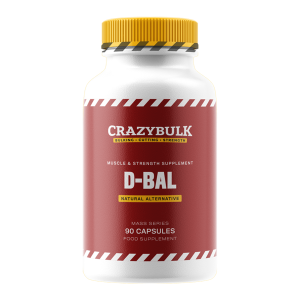
Push heavier, recover faster, and fuel rapid progress. D-Bal is made to support serious gains without the typical downsides.
Table of Contents
- Chemical Structure and Mechanism of Action
- History and Development
- Original Medical Uses
- Effects on the Body
- Why Dianabol Became Popular in Bodybuilding
- Pop Culture and Historical Significance
- Legal Status by Country
- Risks and Side Effects
- Modern Context and Relevance
- Final Thoughts
- FAQs
Chemical Structure and Mechanism of Action
Methandrostenolone is a synthetic anabolic steroid structurally derived from testosterone.
Chemically, Dianabol was modified to enhance anabolic activity while remaining orally active through 17-alpha alkylation. This modification allows the compound to survive liver metabolism after oral administration, though it also contributes to increased hepatic strain compared to many injectable anabolic steroids.
At the cellular level, Dianabol binds strongly to androgen receptors within muscle tissue, increasing:
- Protein synthesis
- Nitrogen retention
- Glycogen storage
- Recovery capacity
- Red blood cell production
One of Dianabol’s defining physiological characteristics is its ability to significantly increase intracellular glycogen and water retention. This contributes to rapid increases in body weight, muscular fullness, and overall training performance.
Unlike DHT-derived compounds such as Anavar or Winstrol, Dianabol aromatises into estrogen relatively efficiently. This estrogenic activity contributes both to its dramatic mass-building reputation and to many of the side effects associated with the compound.
Methandrostenolone also exerts substantial effects on strength output and recovery, contributing to its historical popularity among athletes involved in high-volume resistance training and explosive power sports.
Its combination of strong anabolic activity, oral administration, and rapid visible effects helped establish Dianabol as one of the most influential anabolic steroids in bodybuilding history.
History and Development
Dianabol was developed during the mid-1950s by Dr. John Ziegler in collaboration with Ciba Pharmaceuticals.
Its development occurred during a period of growing concern within the United States regarding Soviet dominance in Olympic weightlifting and international strength competition. Reports that Soviet athletes were using testosterone to enhance performance motivated interest in developing anabolic compounds capable of improving strength and recovery more efficiently.
Dr. Ziegler sought to create a compound that retained the anabolic properties of testosterone while reducing some of its androgenic effects. The result was methandrostenolone, later marketed under the brand name Dianabol.
During the late 1950s and 1960s, Dianabol rapidly expanded beyond competitive weightlifting into bodybuilding and professional athletics. Its dramatic effects on muscle mass and training performance contributed to widespread adoption throughout the emerging bodybuilding culture of the era.
By the 1970s, Dianabol had become deeply associated with the Golden Era of bodybuilding, a period linked to athletes such as Arnold Schwarzenegger, Franco Columbu, and many of the iconic physiques developed at Gold’s Gym in Venice, California.
Although bodybuilding culture during this period emphasized training intensity, diet, and physique aesthetics, anabolic steroids like Dianabol also played an increasingly visible role in shaping competitive size and conditioning standards.
Its influence extended beyond bodybuilding into football, powerlifting, Olympic athletics, and numerous other sports during the broader expansion of anabolic performance enhancement throughout the 20th century.
Original Medical Uses
Dianabol was originally developed for therapeutic applications involving tissue growth and physical recovery.
Historically, methandrostenolone was studied or prescribed in situations involving:
- Muscle wasting
- Recovery after surgery or trauma
- Severe burns
- Chronic illness involving tissue deterioration
- General anabolic support
At the time of its development, researchers were exploring anabolic compounds capable of accelerating recovery and improving physical resilience during periods of severe physiological stress.
Because Dianabol produced strong anabolic effects relatively quickly, it gained attention for its ability to promote rapid weight gain and physical recovery in medical settings.
However, as awareness surrounding anabolic steroid risks and non-medical athletic use increased, medical reliance on compounds such as methandrostenolone gradually declined.
Despite this, Dianabol’s historical role in anabolic medicine remains highly significant due to its influence on the broader development of performance-enhancing compounds.
Effects on the Body
Dianabol became widely recognised for producing rapid increases in muscle size, body weight, and strength.
Its anabolic effects contribute to:
- Increased protein synthesis
- Enhanced nitrogen retention
- Elevated glycogen storage
- Increased red blood cell production
- Significant intracellular fluid retention
The combination of glycogen storage and estrogen-related water retention contributes heavily to Dianabol’s reputation for rapid physical transformation. Muscles often appear fuller and larger due to increased fluid accumulation within muscle tissue.
Methandrostenolone also strongly influences recovery capacity and training intensity, which contributed to its widespread use among athletes performing high-volume resistance training.
Unlike DHT-derived compounds associated with leaner physiques, Dianabol became associated with overall mass accumulation and visible size progression.
At the same time, its estrogenic activity and systemic intensity also contributed to a broad range of side effects involving hormone regulation, cardiovascular health, and fluid balance.
Why Dianabol Became Popular in Bodybuilding
Few anabolic steroids have influenced bodybuilding culture as profoundly as Dianabol.
During the rise of modern bodybuilding throughout the 1960s and 1970s, athletes increasingly pursued larger and more dramatic physiques. Dianabol’s ability to rapidly increase body weight and muscular size made it particularly attractive during this era.
Its widespread use during the Golden Era of bodybuilding contributed heavily to its legendary status within gym culture and bodybuilding history. Arnold Schwarzenegger and numerous other iconic competitors from the era openly discussed the broader anabolic environment surrounding professional bodybuilding during this period, helping cement Dianabol’s place within bodybuilding mythology.
Unlike compounds later associated with conditioning or refinement, Dianabol became symbolic of raw mass-building and aggressive physical progression.
Its effects on strength and training recovery also made it highly attractive to powerlifters and strength athletes seeking increased force output and workout intensity.
Even decades later, Dianabol remains one of the most recognisable anabolic steroid names globally due to its deep historical connection with bodybuilding culture.
Pop Culture and Historical Significance
Dianabol occupies a uniquely important position in the history of performance enhancement and bodybuilding culture.
Its association with the Golden Era of bodybuilding helped establish the visual standards that defined professional bodybuilding for generations. The physiques developed during this period became iconic representations of muscular development and aesthetic balance.
Beyond bodybuilding, Dianabol also became associated with the broader rise of anabolic steroid awareness in sports and public culture. As professional athletics and anti-doping policies evolved throughout the late 20th century, compounds such as methandrostenolone became central to public discussions surrounding fairness, enhancement, and regulation.
Because of this, Dianabol is often viewed not only as an anabolic steroid, but as one of the defining substances of modern bodybuilding history itself.
Legal Status by Country
Like most anabolic steroids, Dianabol is heavily regulated internationally.
United States
In the United States, methandrostenolone is classified as a Schedule III controlled substance under federal law. Legal access requires a valid prescription for approved medical purposes.
Possession or distribution without prescription is illegal.
United Kingdom
In the United Kingdom, Dianabol falls under Class C controlled substances legislation. Personal possession may not always result in prosecution, but unauthorised distribution and trafficking are illegal.
Canada
Canada regulates methandrostenolone under Schedule IV controlled substances laws, limiting legal access to prescription-only medical use.
Australia
Australia maintains strict anabolic steroid regulations, including substantial restrictions on possession and importation without medical authorisation.
Across most European countries and many other regions, Dianabol remains prescription-only or prohibited outside tightly controlled medical contexts.
Risks and Side Effects
Despite its historical popularity, Dianabol carries substantial physiological risks.
Because methandrostenolone is 17-alpha alkylated, prolonged exposure may contribute to liver strain and elevated liver enzymes. Its strong estrogenic activity also contributes to fluid retention, blood pressure changes, and hormone-related side effects.
Additional concerns associated with Dianabol include:
- Hormonal suppression
- Cholesterol imbalance
- Cardiovascular strain
- Water retention
- Estrogen-related side effects
- Elevated blood pressure
Because Dianabol produces rapid systemic changes, side effects may also become noticeable relatively quickly compared to slower-acting anabolic compounds.
As with all anabolic steroids, long-term cardiovascular and endocrine health considerations remain important.
Modern Context and Relevance
Today, Dianabol remains one of the most culturally recognised anabolic steroids in the world.
Although it is no longer widely used as a steroid medically in many regions, methandrostenolone continues to occupy a central place in bodybuilding history and performance-enhancement discussions. Its reputation for rapid mass-building and dramatic strength increases has remained consistent for decades.
At the same time, increased awareness surrounding cardiovascular health, hormone suppression, and long-term anabolic steroid risks has shifted broader discussions toward risk management and alternative approaches to physique development.
Dianabol also continues to appear frequently in discussions surrounding legal steroid alternatives due to its iconic reputation and historical significance within bodybuilding culture.
Final Thoughts
Dianabol remains one of the most historically influential anabolic steroids ever developed due to its central role in the rise of modern bodybuilding and performance enhancement culture.
Originally created to support anabolic recovery and athletic performance, methandrostenolone later became deeply connected to the Golden Era of bodybuilding and the broader expansion of anabolic steroid use throughout competitive athletics.
Its powerful combination of anabolic activity, strength enhancement, glycogen storage, and estrogenic effects helped define the mass-building reputation that followed it for decades.
At the same time, Dianabol remains a potent anabolic steroid with significant physiological risks involving liver function, cardiovascular health, hormone regulation, and systemic stress. Understanding Dianabol requires viewing it not only as a bodybuilding compound, but as one of the defining substances in the history of anabolic performance enhancement itself.
FAQs
Dianabol was originally developed for anabolic support involving muscle growth, recovery, and tissue preservation.
Yes. Methandrostenolone is a synthetic anabolic steroid derived from testosterone.
Its strong anabolic activity, glycogen storage effects, and fluid retention contribute to rapid increases in body weight and muscular size.
Dianabol became heavily associated with bodybuilding culture during the 1960s and 1970s, including the broader anabolic environment surrounding the Golden Era.
Only with a prescription for approved medical purposes. Possession without prescription is illegal under federal law.
Its liver strain, estrogenic activity, cardiovascular effects, and hormone suppression contribute to its reputation as a powerful but demanding anabolic steroid.