
Anadrol, the brand name for oxymetholone, is one of the most powerful oral anabolic steroids ever developed for medical use. Originally introduced in the late 1950s, it became widely known for its ability to rapidly increase body weight, improve strength, and stimulate red blood cell production. Unlike many anabolic steroids that gained popularity primarily through bodybuilding culture, Anadrol’s early significance was rooted in clinical medicine, particularly in the treatment of anemia and severe muscle-wasting conditions.
Chemically, oxymetholone is derived from dihydrotestosterone (DHT), though its physiological effects differ substantially from many other DHT-derived compounds. Despite not aromatising directly into estrogen in the traditional sense, Anadrol is strongly associated with fluid retention and rapid increases in scale weight, contributing to its reputation as one of the most aggressive mass-building oral steroids.
Over time, Anadrol became closely associated with powerlifting, off-season bodybuilding, and strength-focused athletic environments due to its intense anabolic effects. At the same time, its impact on liver function, blood pressure, and overall systemic stress also contributed to its reputation as one of the harsher oral anabolic compounds.
Understanding Anadrol requires examining both its medical origins and the physiological mechanisms that distinguish it from other anabolic steroids.
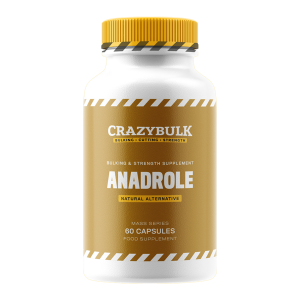
Push harder in the gym with improved endurance and recovery. Anadrole is designed to build impressive size and strength without side effects.
Table of Contents
- Chemical Structure and Mechanism of Action
- History and Development
- Original Medical Uses
- Effects on the Body
- Why Anadrol Became Popular in Bodybuilding
- Legal Status by Country
- Risks and Side Effects
- Modern Context and Relevance
- Final Thoughts
- FAQs
Chemical Structure and Mechanism of Action
Oxymetholone is a synthetic derivative of dihydrotestosterone modified to enhance anabolic activity and oral bioavailability.
Like many oral anabolic steroids, Anadrol is 17-alpha alkylated, meaning its structure was chemically altered to survive liver metabolism when taken orally. This modification allows the compound to remain active after digestion, but it also increases strain on liver function compared to many injectable compounds.
At a physiological level, Anadrol works primarily through androgen receptor interaction, increasing protein synthesis and nitrogen retention within muscle tissue. These processes support muscle repair, tissue growth, and recovery following intense training or physical stress.
One of the more unusual aspects of Anadrol is its relationship with estrogenic side effects. Although oxymetholone does not convert directly into estrogen through aromatase in the same way testosterone-derived compounds do, it is still associated with significant water retention and estrogen-like effects in many users. The exact mechanisms behind this remain debated and are believed to involve broader hormonal interactions beyond traditional aromatisation pathways.
Anadrol also strongly stimulates red blood cell production. This increase in erythropoiesis contributed to its early medical applications and is one of the reasons it became associated with dramatic increases in strength and muscular endurance.
Compared to many anabolic steroids, Anadrol exerts rapid and highly noticeable physiological effects, which helped establish its long-standing reputation in both medicine and performance-focused environments.
History and Development
Anadrol was developed in the late 1950s by Syntex Pharmaceuticals during a period of increasing interest in anabolic compounds for therapeutic use.
The compound entered medical use under the name Anadrol-50 and was primarily prescribed for anemia-related conditions. At the time, stimulating red blood cell production represented a major therapeutic advantage, particularly for patients suffering from chronic illness, severe nutritional deficiencies, or muscle-wasting disorders.
During the 1960s and 1970s, oxymetholone became increasingly recognised outside medical settings due to its pronounced effects on body weight and strength. As bodybuilding and strength sports expanded globally, compounds capable of producing rapid anabolic effects gained substantial attention.
Unlike steroids such as Dianabol, which became culturally associated with the rise of classic bodybuilding aesthetics, Anadrol became more strongly linked to raw mass accumulation and power-focused training environments. Its reputation developed around sheer size and strength rather than physique refinement.
Despite this, Anadrol remained medically relevant for decades due to its clinical applications, particularly in situations involving severe catabolism and anemia.
Original Medical Uses
Oxymetholone was originally developed to treat forms of anemia caused by deficient red blood cell production.
Its ability to stimulate erythropoiesis made it valuable in clinical settings involving:
- Aplastic anemia
- Bone marrow suppression
- Severe chronic illness
- Muscle-wasting conditions
- Recovery-related tissue deterioration
In addition to improving red blood cell count, Anadrol was studied for its effects on body weight, appetite, and overall physical recovery in patients experiencing extreme muscle loss.
Because muscle wasting and anemia often occur simultaneously in severe illness, compounds capable of supporting both tissue retention and oxygen delivery became medically significant during this period.
Although newer treatments eventually reduced reliance on oxymetholone in many clinical settings, its role in the development of anabolic therapeutics remains historically important.
Effects on the Body
Anadrol became widely recognised for producing rapid increases in body mass and strength.
Much of this effect is related to:
- Increased protein synthesis
- Enhanced glycogen storage
- Elevated red blood cell production
- Significant intracellular fluid retention
The increase in glycogen storage contributes to fuller muscle appearance and rapid changes in scale weight. Combined with fluid retention, this often creates dramatic short-term physical transformation compared to slower-acting anabolic compounds.
Its influence on red blood cell production may also contribute to improved oxygen delivery and muscular endurance, particularly during high-intensity training.
Unlike DHT-derived compounds associated with lean or “dry” appearances, Anadrol became associated with size, fullness, and overall mass accumulation.
However, these same mechanisms can also increase cardiovascular strain and systemic stress, particularly at higher exposure levels.
Why Anadrol Became Popular in Bodybuilding
Within bodybuilding and strength sports, Anadrol developed a reputation as one of the most aggressive oral mass-building compounds available.
Its rapid effects on body weight and strength made it especially attractive in off-season environments where overall size was prioritised over physique conditioning. Powerlifters and strength athletes also became associated with Anadrol due to its perceived influence on force output and training intensity.
Unlike compounds more commonly associated with physique refinement, Anadrol’s reputation centered around dramatic physical transformation within relatively short periods of time.
Its use was particularly discussed in eras where overall size and scale weight played major roles in bodybuilding progression. As professional bodybuilding evolved into increasingly mass-focused physiques during the late 20th century, compounds capable of supporting rapid size increases gained substantial attention.
At the same time, Anadrol’s intensity and side effect profile also contributed to its reputation as a compound requiring careful management.
Legal Status by Country
The legal status of Anadrol reflects its classification as a controlled anabolic steroid in most regions.
United States
In the United States, oxymetholone is classified as a Schedule III controlled substance under the Anabolic Steroid Control Act. It remains legal only with a valid prescription for approved medical conditions.
Possession or distribution without prescription is illegal under federal law.
United Kingdom
In the UK, Anadrol falls under Class C substances. Personal possession may not always lead to prosecution, but unauthorised supply, trafficking, or distribution is prohibited.
Canada
Canada classifies oxymetholone under Schedule IV, restricting unauthorised distribution while regulating medical access through prescription systems.
Australia
Australia maintains strict anabolic steroid laws, with possession and importation without medical authorisation treated as criminal offences.
Across much of Europe and other regions, oxymetholone remains prescription-only due to its classification as an anabolic steroid.
Risks and Side Effects
Anadrol is widely regarded as one of the harsher oral anabolic steroids in terms of systemic stress and side effect profile.
Because it is 17-alpha alkylated, prolonged exposure may significantly affect liver function. Elevated liver enzymes and hepatic stress are among the most commonly discussed concerns associated with oral anabolic steroids generally, and Anadrol is no exception.
Other commonly discussed effects include:
- Fluid retention
- Elevated blood pressure
- Cholesterol imbalance
- Hormonal suppression
- Increased cardiovascular strain
Its strong impact on red blood cell production can also contribute to increased blood viscosity over time, which may influence cardiovascular health.
Unlike compounds associated with gradual or mild anabolic effects, Anadrol’s aggressive physiological activity contributes both to its popularity and to concerns surrounding long-term health impact.
Modern Context and Relevance
Today, Anadrol occupies an unusual position in steroid discussions because of its strong historical medical significance combined with its reputation within strength-focused performance culture.
While medical use still exists in some contexts, modern discussions surrounding oxymetholone occur more commonly in bodybuilding and performance-enhancement environments. Its reputation as an intense mass-building oral steroid has remained consistent for decades.
At the same time, growing awareness of cardiovascular health, liver toxicity, and long-term anabolic steroid risks has influenced how compounds like Anadrol are discussed within modern fitness culture.
As interest in legal steroid alternatives and non-hormonal approaches grows, Anadrol often represents the more extreme end of traditional anabolic steroid discussions.
Final Thoughts
Anadrol remains one of the most historically significant and physiologically powerful oral anabolic steroids ever developed. Originally created for serious medical conditions involving anemia and tissue wasting, it later became associated with dramatic increases in body weight, strength, and overall physical mass.
Its unique combination of anabolic intensity, fluid retention, and red blood cell stimulation distinguishes it from many other anabolic compounds. At the same time, its strong systemic effects also contributed to concerns surrounding long-term health impact and regulation.
Understanding Anadrol requires viewing it within both medical and historical contexts. Its legacy extends beyond bodybuilding culture into broader discussions surrounding sports performance, anabolic therapeutics, and the evolution of steroid regulation itself.
FAQs
Anadrol was originally developed to treat anemia and severe muscle-wasting conditions due to its ability to stimulate red blood cell production and support tissue growth.
Yes. Oxymetholone is a powerful oral anabolic steroid derived from dihydrotestosterone.
Its effects on glycogen storage, protein synthesis, and fluid retention contribute to rapid increases in body weight and muscular fullness.
Not through traditional aromatisation pathways, although it is still associated with estrogen-like side effects such as water retention.
Only with a prescription for approved medical use. Possession without prescription is illegal under federal law.
Its strong anabolic effects, liver strain, cardiovascular impact, and hormonal suppression contribute to its reputation as one of the more aggressive oral steroids.